
From £140, call-out included.See prices
“Came the next day, sorted our drain quickly without any fuss.”
“Great service at a fair price.”
Most of what we are called to: a gully overflowing onto a drive, a toilet that will not clear, a manhole surcharging in a back garden, is cleared on the first visit with high-pressure water jetting.
Ring us and we will tell you straight away when we can get to you. You speak to the people who will do the work, not a call centre.
Call now · Request a call back
What we clear
- Blocked toilets, sinks and showers, internal blockages, usually within the first few metres of the stack.
- Blocked gullies and yard drains, silt, leaves, fat and grit, which is most of what we pull out.
- Surcharging manholes, where the blockage is further down the run and the whole system is backing up.
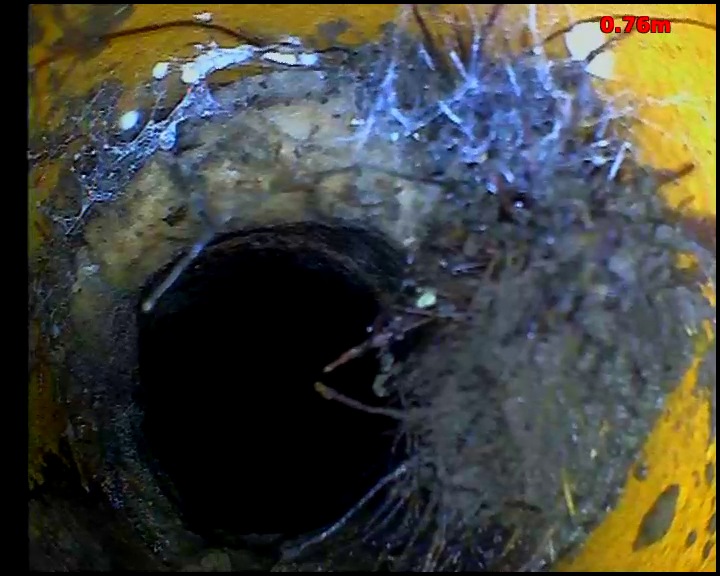
- Root-blocked runs, cut out with rotating jetting heads rather than rodded past.
- Fat, scale and silt build-up, cleaned back to the full bore of the pipe, not just punched through.
- Rainwater and soakaway problems, including gutters and downpipes feeding the system.
Why jetting rather than rods
Drain rods clear a hole through a blockage. Water jetting clears the pipe.
Rods travel more or less in a straight line, they stop at bends, and they frequently push a blockage further down the run rather than removing it, which is why a rodded drain so often blocks again within weeks. A jetting hose negotiates bends, travels the full length of the run, and cuts material off the pipe wall so the drain is restored to its actual diameter.
Where roots are the cause, jetting with a cutting head removes them properly. Rods will not.
One material needs care: pitch fibre. The bitumen-based pipe used through the 1950s to 70s deforms rather than cracks, and a deformed run can be damaged by an unconsidered jetting head. It is common across the post-war estates and throughout Telford, and it is worth knowing what you have before anyone starts.
If it keeps happening, jetting is only half the answer
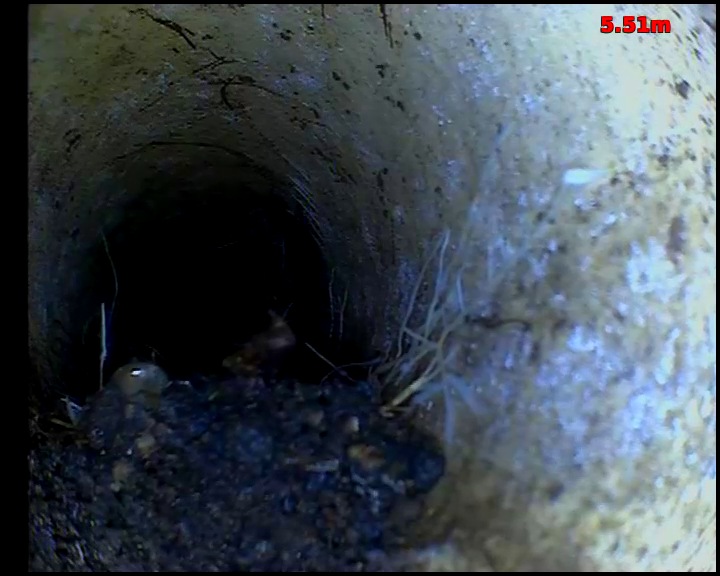
A drain that blocks repeatedly is telling you something structural is wrong. Roots are getting in somewhere. A joint has stepped and is catching solids. A section has broken and collects debris every time it rains.
Clearing it again treats the symptom. We can put a camera down the same run while we are on site, see CCTV drain surveys.
Who pays
Since the 2011 private sewer transfer, Severn Trent owns most shared drainage and everything beyond your property boundary. If the blockage is on a shared run or past the boundary, it may be theirs to clear at no cost to you,and we will tell you if that is what we find rather than invoicing you for it.
Across much of the Black Country and south Staffordshire, South Staffs Water supplies the drinking water but does not handle sewerage. For drainage, Severn Trent is the right number.
Common questions
How quickly can you get here? Ring us and we will give you a realistic time before you commit to anything. We are based in Castlecroft, so travel time across the Black Country is short: the variable is what is already booked in, not the distance.
What will it cost? We will give you a price on the phone before we come out, so there are no surprises when we arrive.
Will one visit fix it? Usually. Most blockages clear on the first visit. If the cause is structural, we will tell you what is behind it rather than leaving you to find out when it blocks again.
Can you reach a drain in a back garden? Yes, our hose reels reach well beyond where the van can park.
Do you do drain repairs afterwards? No. We survey, clear and jet; we do not carry out repairs or excavation. That also means we have no reason to tell you a drain needs digging up when it doesn’t.
What can I do before you arrive? Stop using water in the property if a manhole is surcharging, and keep children and pets away from standing water: it is foul.
Is the blockage my fault? Frequently not. Across this region, ground movement over old coal and limestone workings pulls pipe joints apart, and a stepped joint catches solids whatever anyone puts down the drain.
How far do you travel? Around thirty minutes from Castlecroft for unblocking work. See areas we cover.
Sub-services: Emergency drainage · High-pressure jetting Also: CCTV drain surveys · Case studies Guides: Why a rodded drain blocks again · Who owns your drain
Towns we unblock drains in: Bilston · Cannock · Dudley · Halesowen · Stourbridge · Telford · Walsall · West Bromwich · Willenhall · Wolverhampton
From the blog: Roots, joints and why old clay fails
Talk to the person who will do the work.
Surveys across the West Midlands, south Staffordshire, east Shropshire and north Worcestershire. Unblocking closer to home.